
Bite-sized coaching
•
Real-world strategies
•
Sharper auditions
•
Stronger choices
•
More confident performances
•
Bite-sized coaching • Real-world strategies • Sharper auditions • Stronger choices • More confident performances •
Get the exact coaching you need.
Search 100+ free videos by problem, skill, or audition.
Vocal Textures (Part 2)
Continue expanding your vocal textures with rasp, growl, cry, and yodel. Because a perfectly clean note isn’t always the most expressive one. Sometimes the roughness is exactly what turns vocal technique into storytelling.
Vocal Textures (Part 1)
A beautiful voice can still sound dramatically limited. Vocal textures (like straight tone, vibrato, breathy tone, and vocal fry) give you more colors so the sound can change when the story does.
Self-Tape Non-Negotiables
The standard self-tape setup works. But “standard” and “required” are not the same thing. With three simple guardrails, your tape can demonstrate more than skill: it can reveal what kind of artist you are.
Character = How
An action alone isn’t much of a character choice. The useful information is hidden in the adverbs. One small shift in how you approach physical actions can turn ordinary blocking into specific behavior.
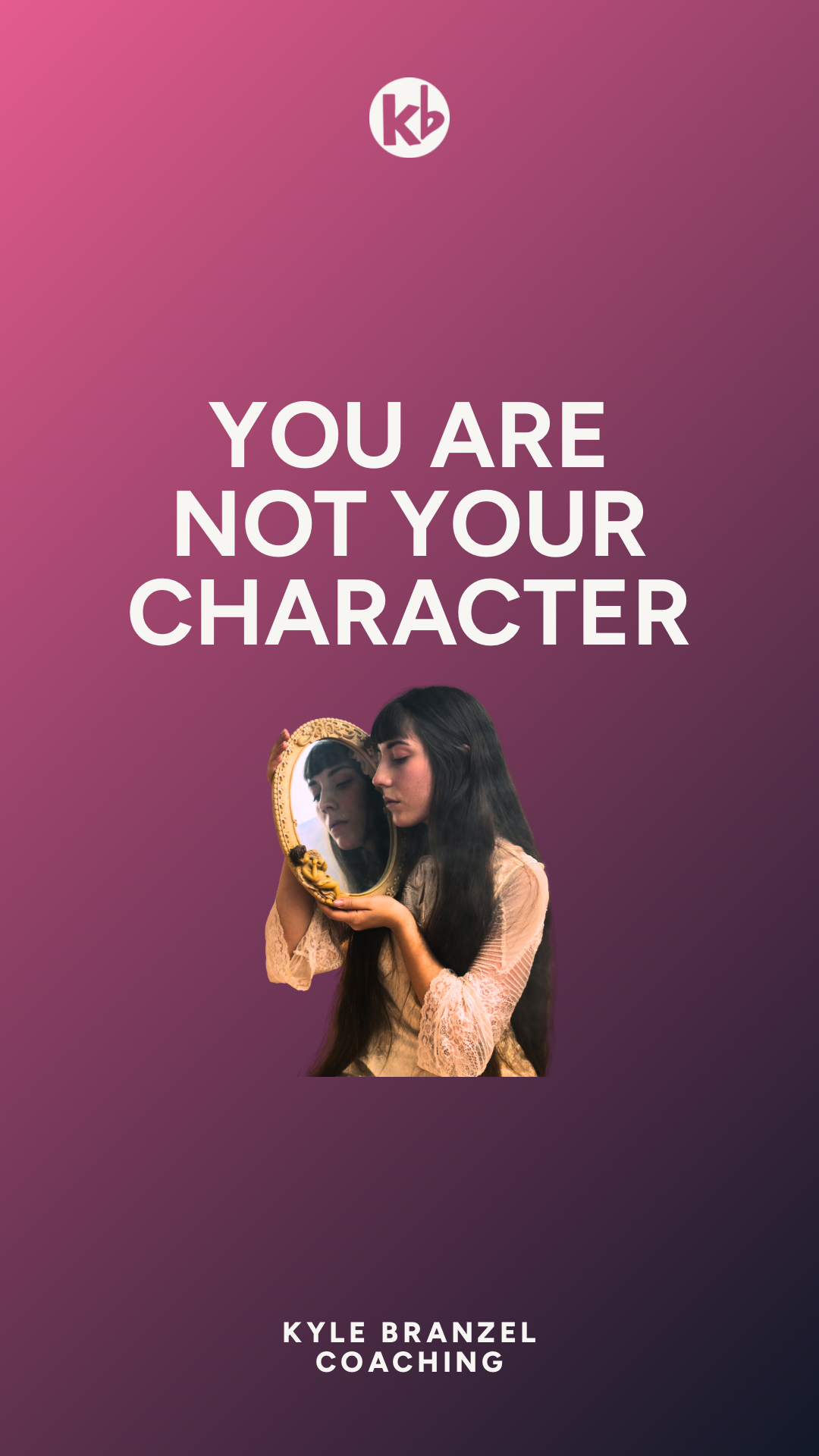
You Are Not Your Character
Actors are often taught to search for themselves inside a character. But sometimes the most useful question is: Where is this person different from me? That distance isn’t something you need to erase. It may be exactly where the acting starts.

Purple Cow
Being able to do everything sounds like the safest career strategy. But if nobody can immediately explain what makes you remarkable, all that versatility may be making you harder to remember.

Broadway News App
Broadway news isn’t hard to find. The problem is that it’s scattered everywhere. So I built one place where it all comes to me… and you can too in five minutes.
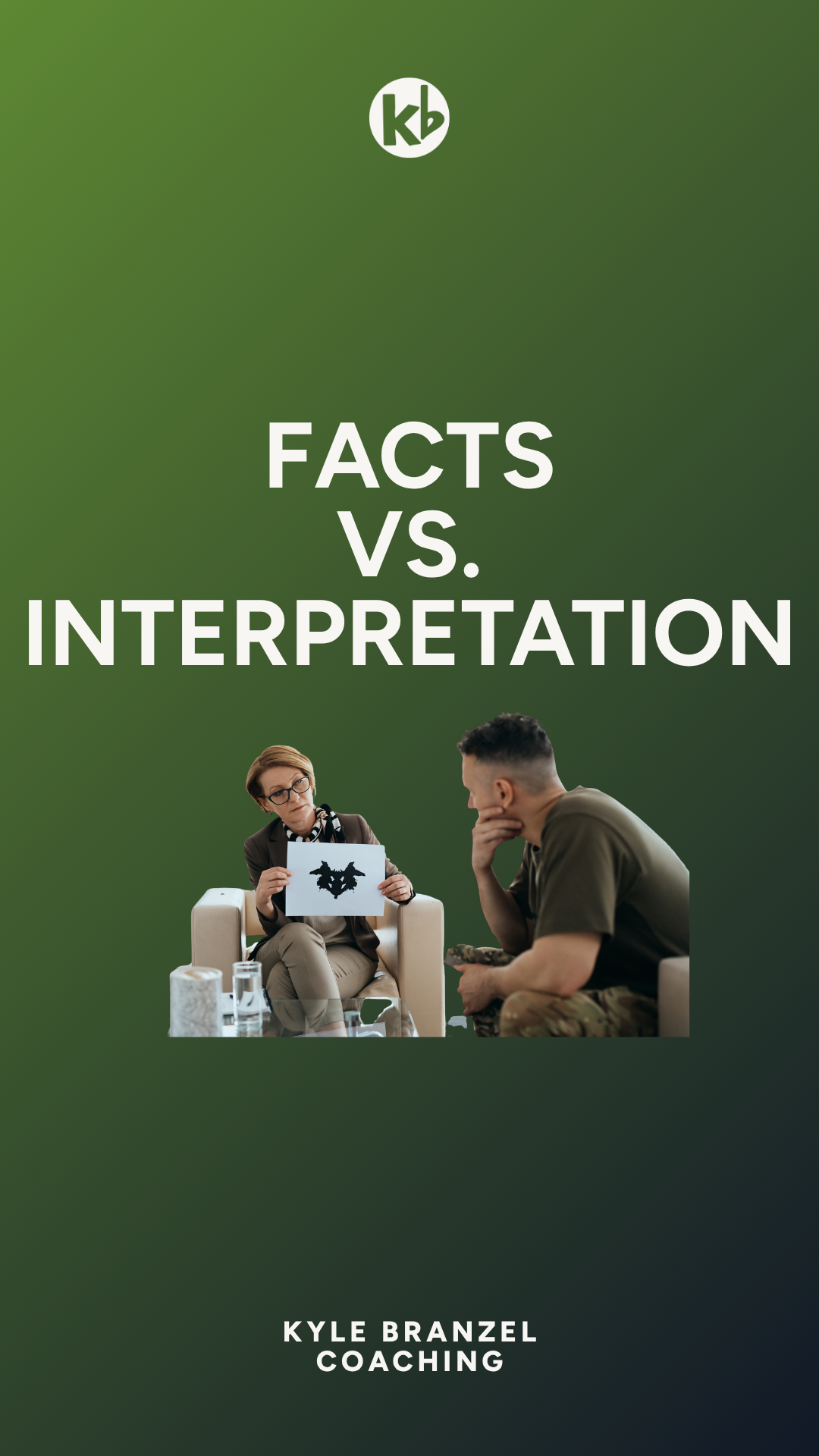
Facts vs. Interpretation
A bold choice that contradicts the material isn’t interpretation. The real freedom begins when you know exactly what the text and score give you, and exactly where your own imagination takes over.
“Good” & “Bad”
Calling a performance “bad” may feel like having high standards. But if you can’t identify what happened, what it accomplished, and what you should change next, you haven’t evaluated your work. You’ve only rated it.
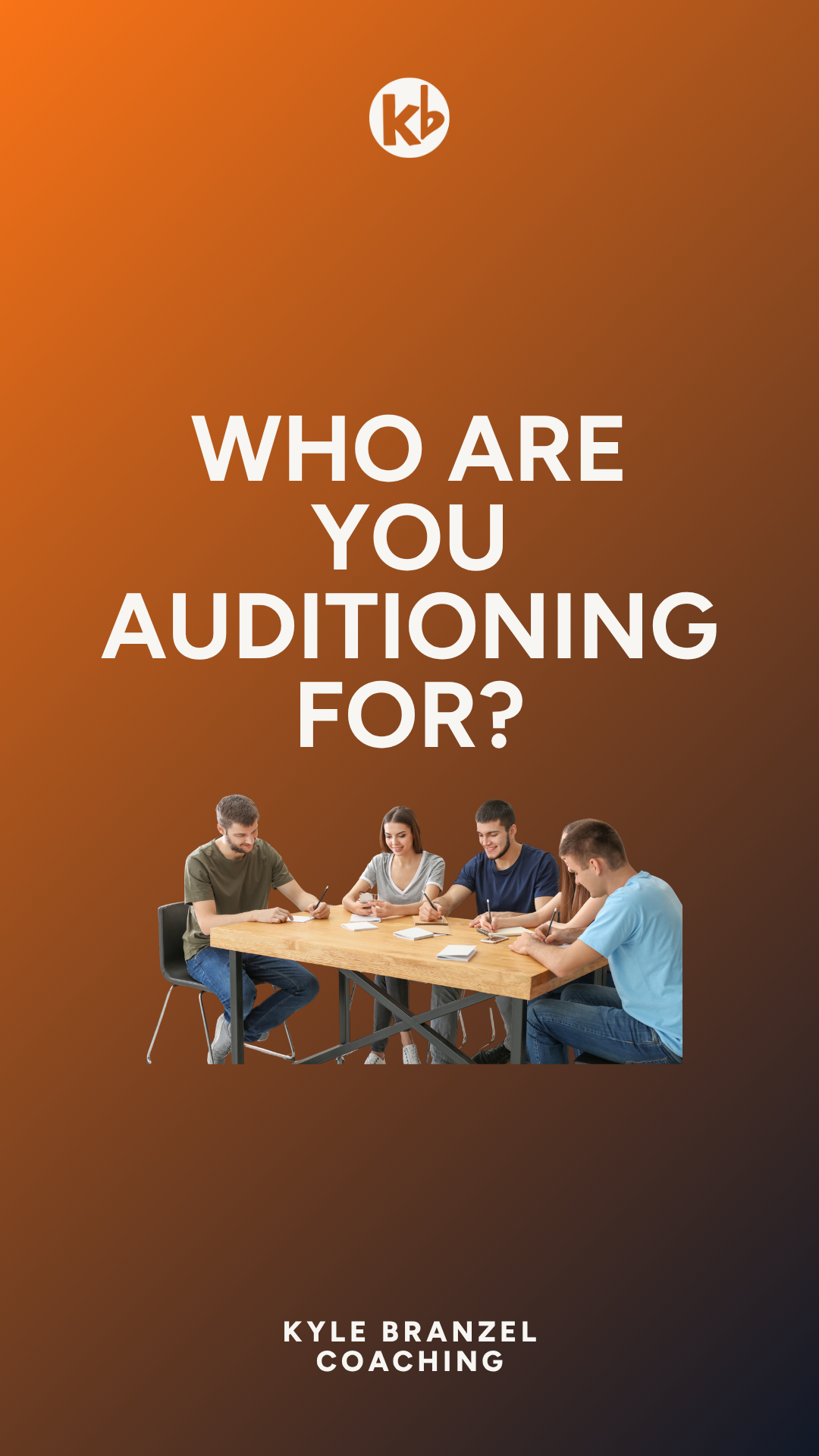
Who Are You Auditioning For?
You can prepare an excellent audition and still prepare the wrong audition. The material may be the same, but the person watching it changes what information needs to come across most clearly.

Your Website Is a Compass
A website shouldn't archive your career. It should direct it. Every choice you make online teaches people how to think about you long before you ever walk into the room.
Straight Tone vs. Vibrato
Some of the most expressive moments in singing don't come from adding more sound. They come from knowing exactly when to hold back and exactly when to let go.
Replacing vs. Originating
Trying to surprise everyone in the room might be the wrong move entirely. First, figure out which of two completely different jobs you were actually hired to audition for.
Audition Book Audit
Your book doesn't need another song added to it. It needs an honest look at whether the ones already in it still represent who you've become.
Influence the Room
Shrinking to match a tired, quiet room might feel like good etiquette. It's actually one of the biggest missed opportunities in the entire audition.
Artist Mindset
"I'm only an artist when I'm booked" is a quiet trap that hands your identity to strangers with hiring power. Artistry was never supposed to depend on employment.
Bad Habits
"Stop doing that" is the least useful note an actor can get, because it never says what to do instead. Every bad habit started out solving a real problem.

Callbacks
Getting the callback feels like a reward. It's actually a completely different assignment, and most actors never realize the test has changed.

Type
"What's my type?" assumes someone else already decided the answer for you. The real question is what you're teaching people to see every time you walk in a room.
“What Should I Do Next?”
The biggest breakthroughs rarely start the moment an audition lands in your inbox. They start months earlier, in the quiet decisions nobody's watching.