
Bite-sized coaching
•
Real-world strategies
•
Sharper auditions
•
Stronger choices
•
More confident performances
•
Bite-sized coaching • Real-world strategies • Sharper auditions • Stronger choices • More confident performances •
Get the exact coaching you need.
Search 100+ free videos by problem, skill, or audition.
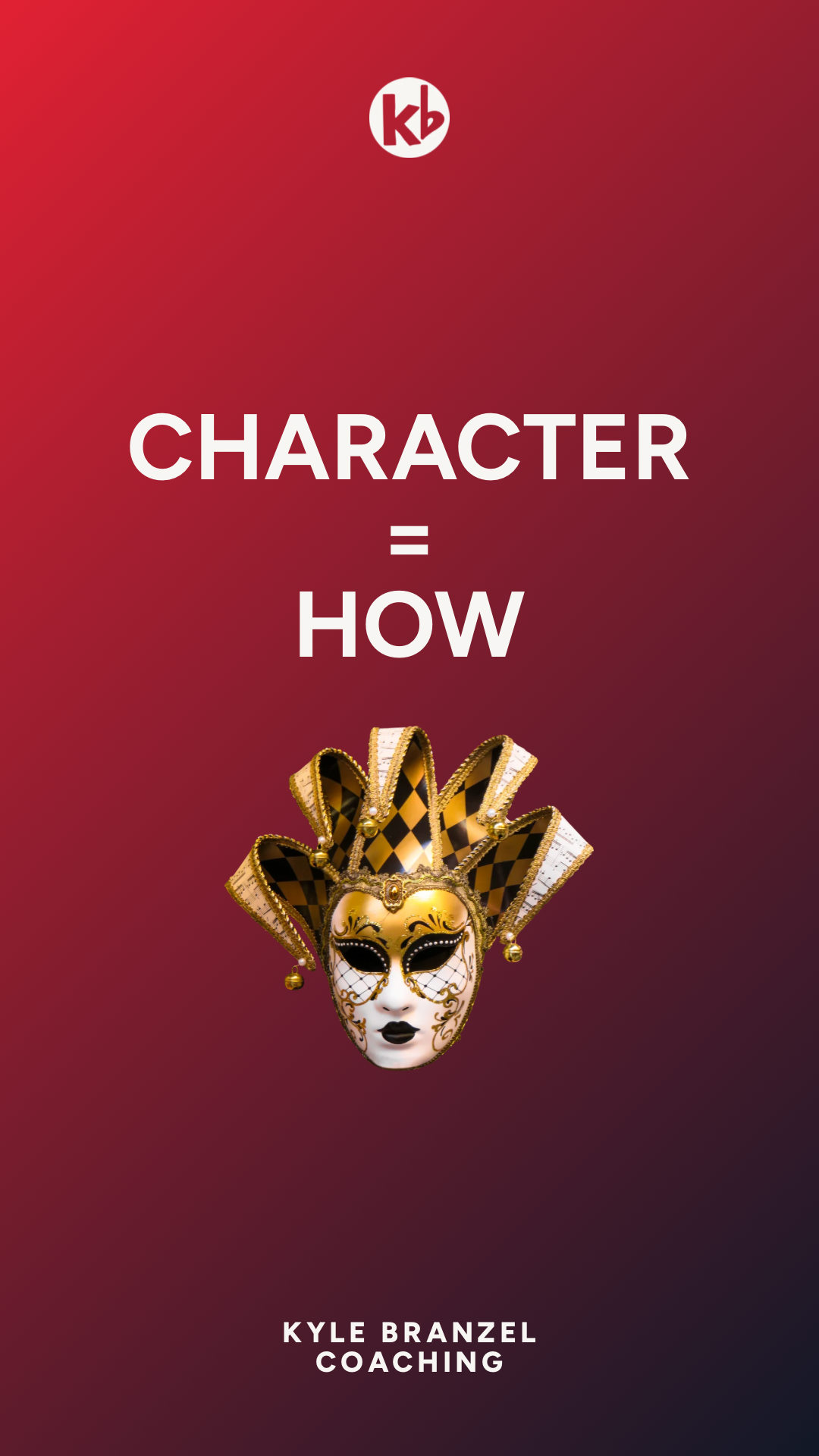
Character = How
An action alone isn’t much of a character choice. The useful information is hidden in the adverbs. One small shift in how you approach physical actions can turn ordinary blocking into specific behavior.
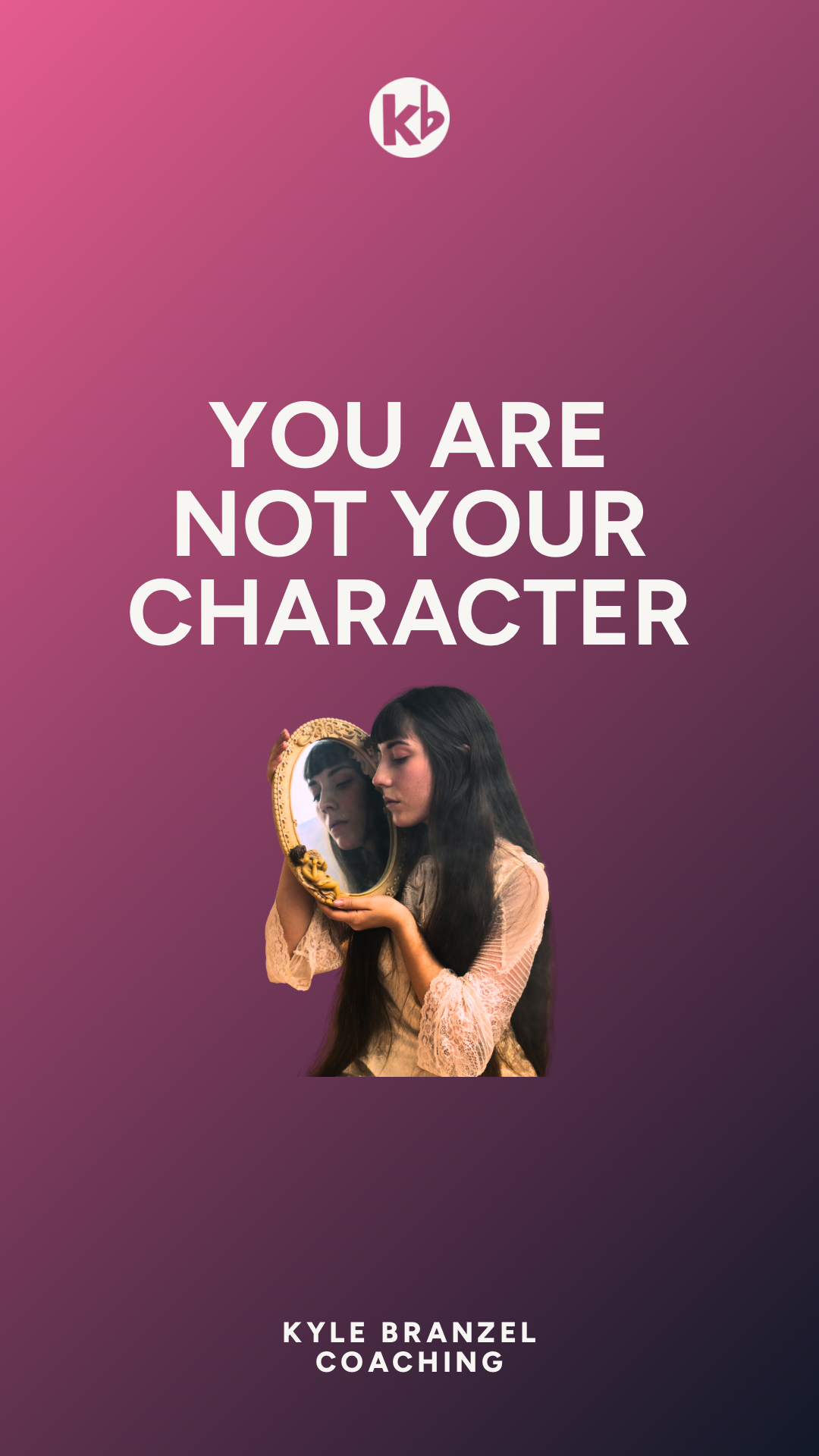
You Are Not Your Character
Actors are often taught to search for themselves inside a character. But sometimes the most useful question is: Where is this person different from me? That distance isn’t something you need to erase. It may be exactly where the acting starts.
Mic Technique: Performance
How you hold, move, and interact with a microphone is part of your storytelling, whether you plan for it or not. Stop treating it like it's invisible.
“Do Less”
"Do less" is one of the most common notes in the room, and one of the most misunderstood. It was never an instruction to disappear.

Viewpoints Wrap-Up
This was never a style to perform, it's a language to use. Here's what changes once you understand the whole system instead of just one piece of it.
Topography
Blocking isn't just where you land, it's the path you take to get there. That journey across the stage is drawing a map the audience is reading in real time.
Spatial Relationship
The distance between you and your scene partner is never neutral. Every inch closer or farther away is already communicating something about your relationship.
Architecture
The set isn't decoration, it's a scene partner. The moment you start relating to walls, floors, and space intentionally, the environment starts telling the story with you.
Gesture
A gesture isn't just movement, it has a beginning, a middle, and an end. Give it that arc and it communicates what words never could.
Shape
Before you say a word, your silhouette has already told a story. Your outline is read instantly, whether you meant to send a message or not.
Repetition
Actors avoid repeating themselves out of fear of being boring. In reality, repetition is one of the fastest ways to build a pattern the audience can actually follow.
Kinesthetic Response
The instant you plan your reaction, the scene goes flat. This is what keeps your body reacting before your brain has time to decide.
Duration
Cutting a moment short out of discomfort costs you the exact second where the real work begins. Staying longer than feels comfortable changes everything.
Tempo
Speed is never neutral. How fast or slow you move is already telling the audience how to read the moment, before you say a single word.

Viewpoints
You don't need more ideas to make your acting stronger. You need a better way of seeing what's already happening in your body, and this gives you the language for it.
What Story Is Your Body Telling?
The second most actors start performing, their body shuts off. Here's why that instinct toward stillness is erasing your storytelling.