
Bite-sized coaching
•
Real-world strategies
•
Sharper auditions
•
Stronger choices
•
More confident performances
•
Bite-sized coaching • Real-world strategies • Sharper auditions • Stronger choices • More confident performances •
Get the exact coaching you need.
Search 100+ free videos by problem, skill, or audition.
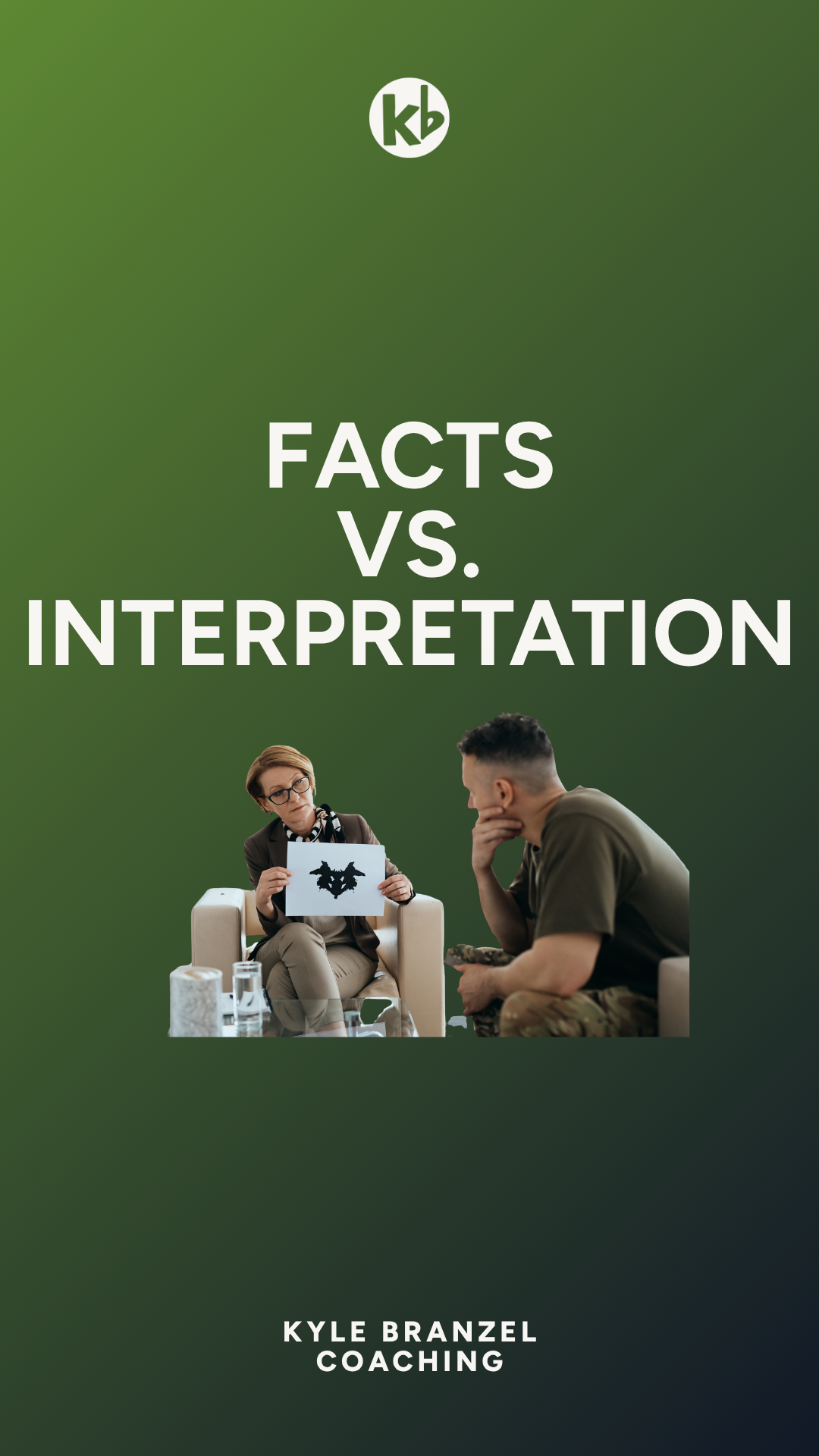
Facts vs. Interpretation
A bold choice that contradicts the material isn’t interpretation. The real freedom begins when you know exactly what the text and score give you, and exactly where your own imagination takes over.

Changing Keys
The idea that your audition song's key is untouchable is a myth Broadway itself doesn't believe. Here's when transposing helps, and when it works against you.

Finding New Songs to Sing
The perfect audition song was never going to fall into your lap. Building real repertoire is a system, and most actors are skipping every step of it.

Sheet Music Non-Negotiables
Your music is talking before you sing a single note. Here's what your pages need to say to prove you're prepared before the accompanist even plays.

Re-Copy Your Sheet Music
Pianists read left to right, top to bottom, always forward. If your cut forces them to jump backward, you're the one losing time in the room.
What Your Accompanist Can & Can’t Do
If it's not written on the page, your accompanist can't read your mind, no matter how clearly you explain it beforehand. Here's exactly what's safe to ask for.

32-Bar Cuts
"32 bars" hasn't meant actual measures in decades. Counting them is the wrong math entirely, and there's a framework that matches what casting is really asking for.

Style
"Be natural" is terrible advice the moment the material calls for something bigger. Every show has rules for truth, and ignoring them is why talented actors don't book.

Outros
Fade-outs work on a record, not in a room. If your song doesn't end on its own, you need to build an ending that actually ends.

Intros
A bell tone and a breath isn't an entrance, it's a scramble. Five better options exist for walking into your song instead of falling into it.

Setting Up Your Song with a Pianist
You get twenty seconds to set up your entire audition with a stranger at the piano. A four-letter framework makes those seconds count every time.
Marking Audition Cuts
Scribbles and arrows on your sheet music aren't tradition, they're static. Here's the modern fix that keeps your accompanist's eyes moving instead of decoding.
Giving a Tempo: Part 3
The accompanist just played your song wrong. Now what? Three options exist in that split second, and only one of them actually works most of the time.
Giving a Tempo: Part 2
Your adrenaline is lying to you about your own tempo. Here's how to keep control of the one moment in the room that's entirely yours to own.
Giving a Tempo: Part 1
Snapping and clapping won't cut it. There's a specific three-part formula top actors use to lock an accompanist into their exact tempo before a single note is sung.